Beat the Back-to-School Rush: Is Your Child’s Vision Classroom-Ready?
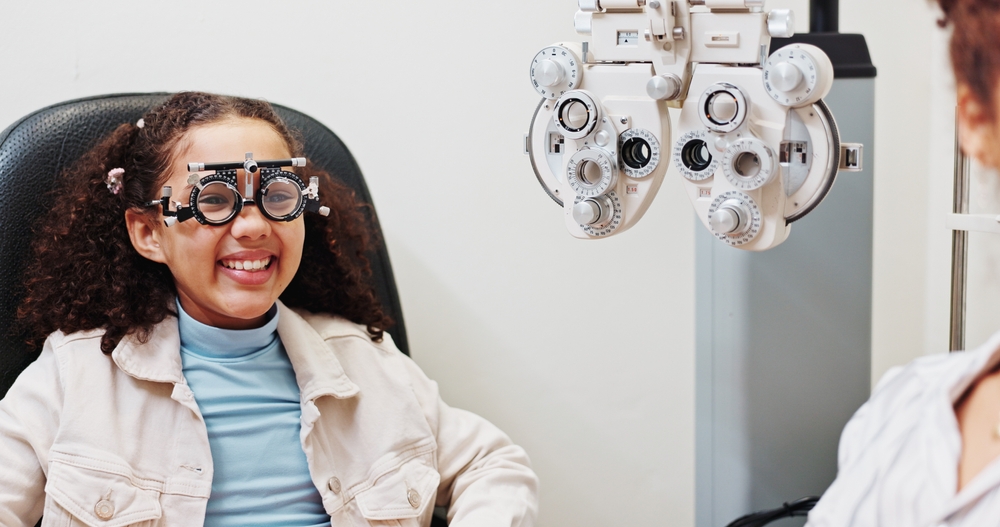
As families prepare for a new school year, backpacks, supplies, and updated schedules often take priority. However, clear and comfortable vision is also an important part of classroom readiness. A back-to-school eye exam can help identify vision concerns that affect reading, screen use, sports, and everyday learning.
Children do not always realize that their vision has changed. They may assume everyone sees the same way they do, making regular pediatric eye care especially valuable.
Why Vision Matters in the Classroom
Students rely on their eyes throughout the school day to read books, view the board, use digital devices, complete written assignments, and shift focus between near and far distances. When vision is blurry or uncomfortable, a child may lose focus, avoid reading, work more slowly, or become frustrated.
A comprehensive pediatric eye exam evaluates more than distance clarity. It can assess a child’s prescription, eye coordination, focusing ability, depth perception, and overall eye health. This detailed evaluation helps determine whether glasses, contact lenses, monitoring, or another form of care is appropriate.
Signs Your Child May Need an Eye Exam
Some vision problems are noticeable, while others can be mistaken for attention difficulties or a lack of interest in schoolwork. Parents should watch for signs such as:
- Squinting or closing one eye to see clearly
- Sitting very close to screens or holding books near the face
- Frequent headaches or tired eyes after reading
- Losing their place while reading
- Rubbing the eyes often
- Avoiding homework or other close-up activities
- Complaints of blurry or double vision
A child should also be evaluated if they have a previous glasses prescription, a family history of eye conditions, or concerns raised by a teacher or pediatrician.
A School Screening Is Only One Step
School vision screenings provide a helpful basic check, but they are not the same as a comprehensive eye exam. A screening may identify reduced distance vision, yet it may not fully evaluate focusing, eye teaming, eye health, or changes in an existing prescription.
If your child passes a school screening but continues to show symptoms, a complete pediatric eye exam can provide a clearer understanding of how their eyes function during classroom tasks.
Check Eyewear Before the First Day
Children who already wear glasses should make sure their prescription is current and their frames fit properly. Loose, damaged, or uncomfortable glasses are less likely to be worn consistently. Updated lenses and well-fitting frames can help children see comfortably throughout the day.
Some older children may also be ready for contact lenses, depending on their maturity, daily routine, and ability to handle lens care responsibly.
Ask About Myopia Management
If your child’s distance prescription continues to become stronger, standard glasses may correct blurry vision without addressing myopia progression. Myopia management is designed to help slow the progression of nearsightedness in eligible children. Options may include specialized contact lenses, orthokeratology, or other personalized strategies based on the child’s age, prescription, eye health, and lifestyle.
Schedule your child’s back-to-school eye exam with Elite Vision Care in League City, Texas, by calling (346) 220-1200 and help them start the school year with clearer, more comfortable vision.
Quick Links

Leave Us
A Review!

Keep
In Touch
MAP
© 2026 Elite Vision Care. All Rights Reserved. Accessibility Statement - Privacy Policy - Terms and Conditions - Sitemap

Powered by: