Dry Eye in the Cooler Months: Why Fall & Winter Make Symptoms Worse
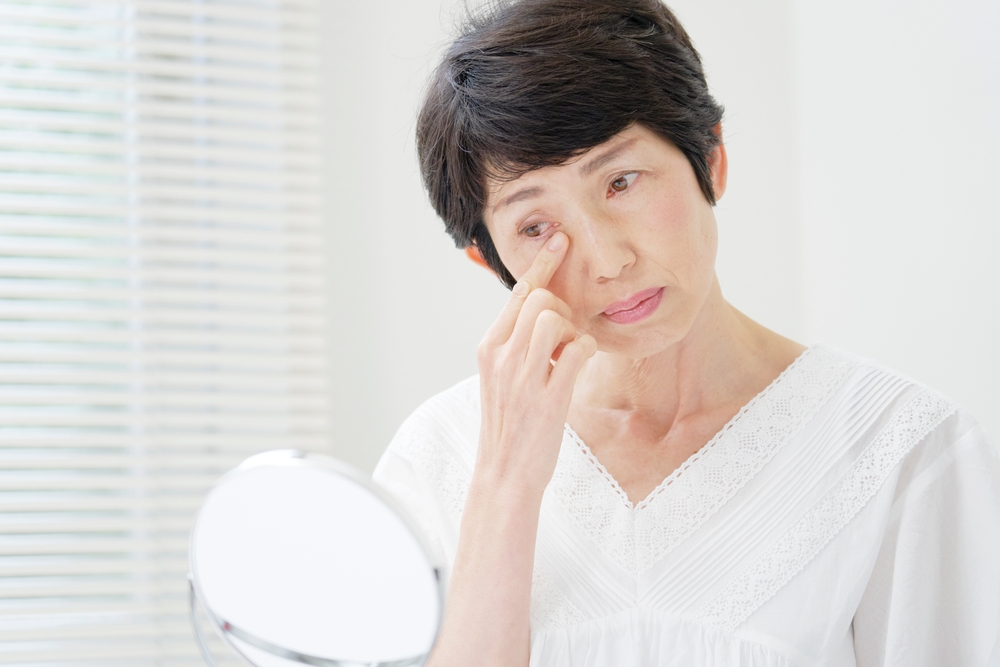
When temperatures drop, many people notice that their eyes feel drier, itchier, and more irritated. Fall and winter can make dry eye symptoms worse because cooler air often holds less moisture, indoor heating reduces humidity, and wind can speed up tear evaporation. If your eyes already struggle to stay properly lubricated, these seasonal changes can make discomfort much more noticeable.
Cold Air and Indoor Heat Can Work Against Your Tear Film
Your tear film needs the right balance of water, oil, and mucus to keep your eyes comfortable. During the cooler months, dry outdoor air and heated indoor spaces can disrupt that balance. This often leads to burning, redness, watering, blurred vision, and a gritty sensation.
Even though watery eyes may seem confusing, they can actually be a sign of dry eye. When the surface of the eye becomes irritated, it may produce reflex tears that do not give lasting relief.
Wind, Screens, and Daily Habits Add to the Problem
Fall and winter conditions can create the perfect setup for worsening dry eye. Windy weather can dry the eyes quickly, and people often spend more time indoors using computers, tablets, and phones. Less blinking during screen time means tears do not spread as effectively across the eye.
Other everyday factors can make symptoms worse as well, including contact lens wear, poor eyelid hygiene, and underlying issues like meibomian gland dysfunction, which affects the oil layer of your tears.
Signs Your Dry Eye May Be Getting Worse
If your symptoms are more noticeable during the cooler months, it may be time for a dry eye evaluation. Common signs include:
• Burning or stinging eyes
• Redness or irritation
• Grittiness or a sandy feeling
• Excessive tearing
• Blurry or fluctuating vision
• Eye fatigue, especially during screen use
Why Professional Treatment Makes a Difference
Dry eye is not always caused by the same issue. Some people do not make enough tears, while others have tears that evaporate too quickly. At Elite Vision Care, we use advanced diagnostic technology, including TearLab testing, to evaluate tear osmolarity and better understand what is contributing to your dry eye. A personalized diagnosis helps us recommend treatment that fits your needs instead of relying on temporary fixes alone.
Our Dry Eye Treatments at Elite Vision Care
We offer several dry eye treatments to help improve comfort and support healthier tears. Depending on your condition, your treatment plan may include eye drops and artificial tears for short-term relief, vitamins and nutraceuticals to support tear quality, and lid scrubs or eyelid dandruff cleaning to reduce irritation linked to blepharitis and meibomian gland dysfunction.
We also provide meibomian gland expression in-office to help unclog the oil glands in your eyelids. This treatment can be especially helpful for evaporative dry eye, which often becomes more noticeable in cooler weather.
Seasonal Relief Starts with the Right Plan
If your eyes feel worse every fall and winter, there is usually a reason. Seasonal dryness may be exposing an underlying dry eye issue that needs more than over-the-counter drops. With the right evaluation and targeted treatment, we can help you find longer-lasting relief and protect your eye comfort throughout the season.
Contact Elite Vision Care to schedule your dry eye evaluation and learn which of our treatments may be right for you. Visit our office in League City, Texas, or call (346) 220-1200 to book an appointment today.
Quick Links

Leave Us
A Review!

Keep
In Touch
MAP
© 2026 Elite Vision Care. All Rights Reserved. Accessibility Statement - Privacy Policy - Terms and Conditions - Sitemap

Powered by: